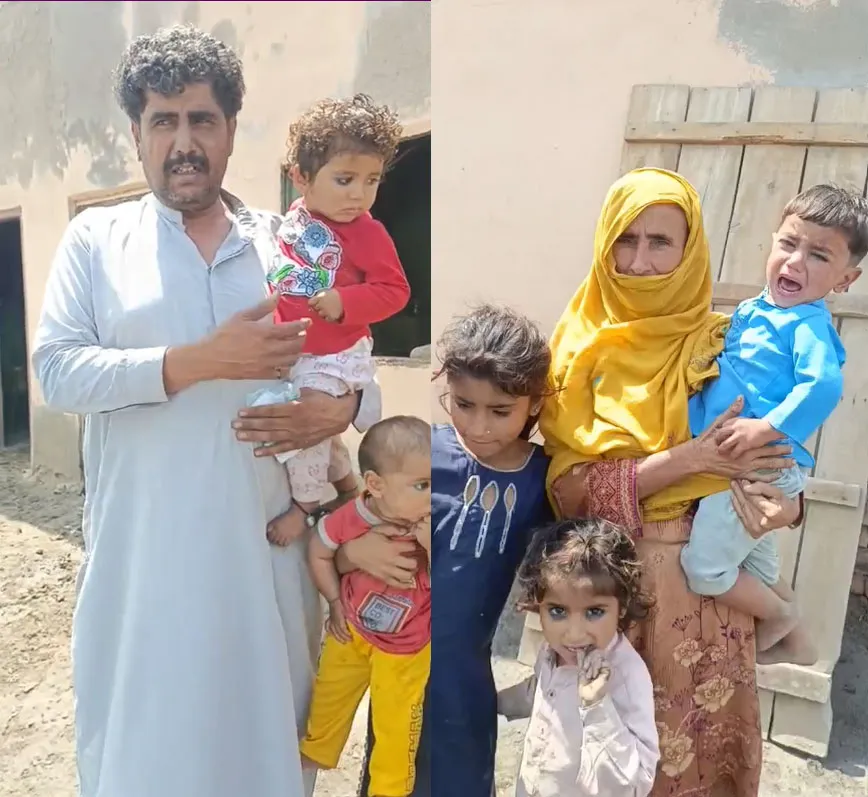
Accelerating immunization for every child, everywhere
Every month, mothers and infants gather in rural Sindh to get life-saving shots, thanks to Salma and Shaukat.
By Zofeen T. Ebrahim
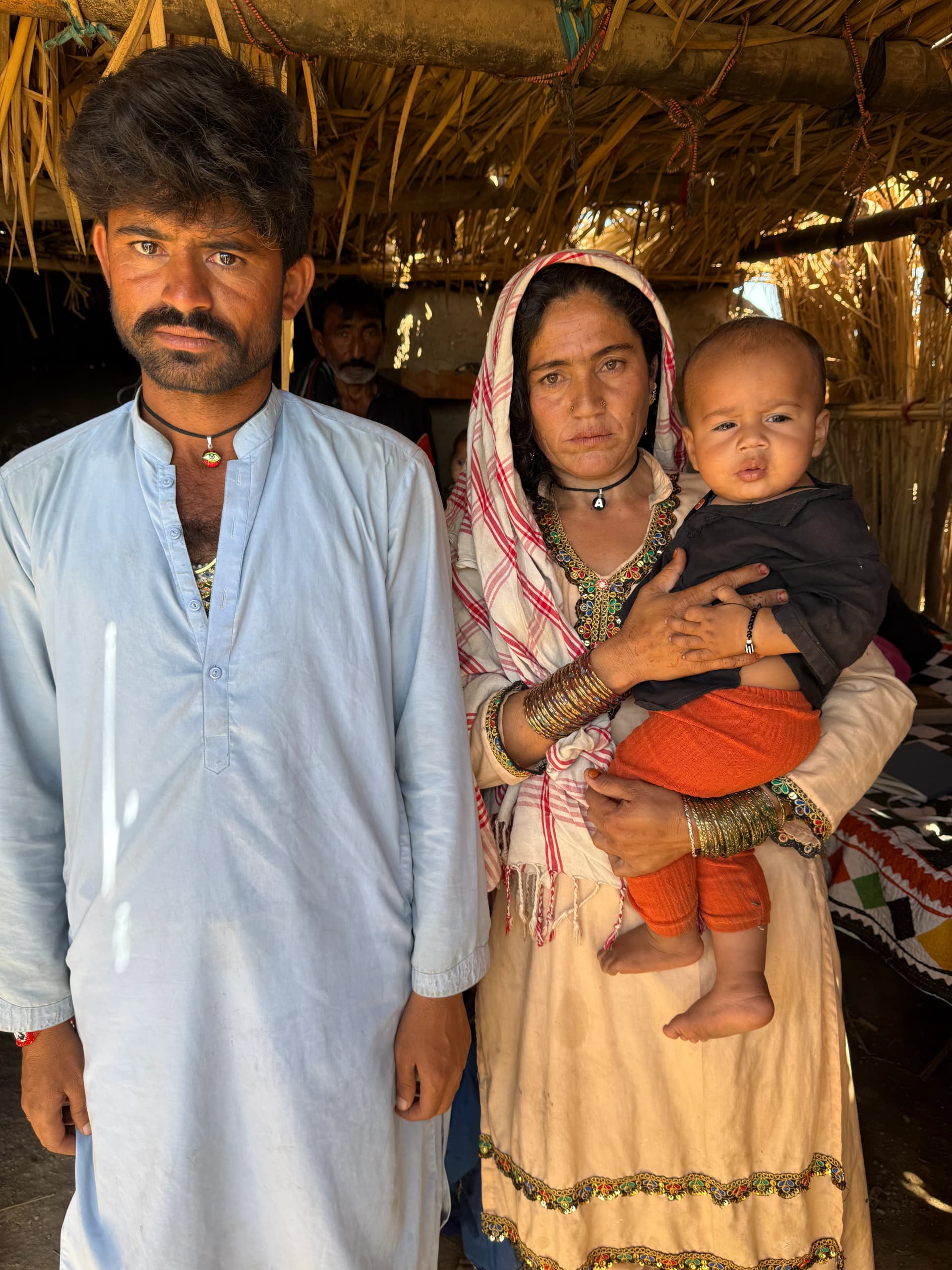
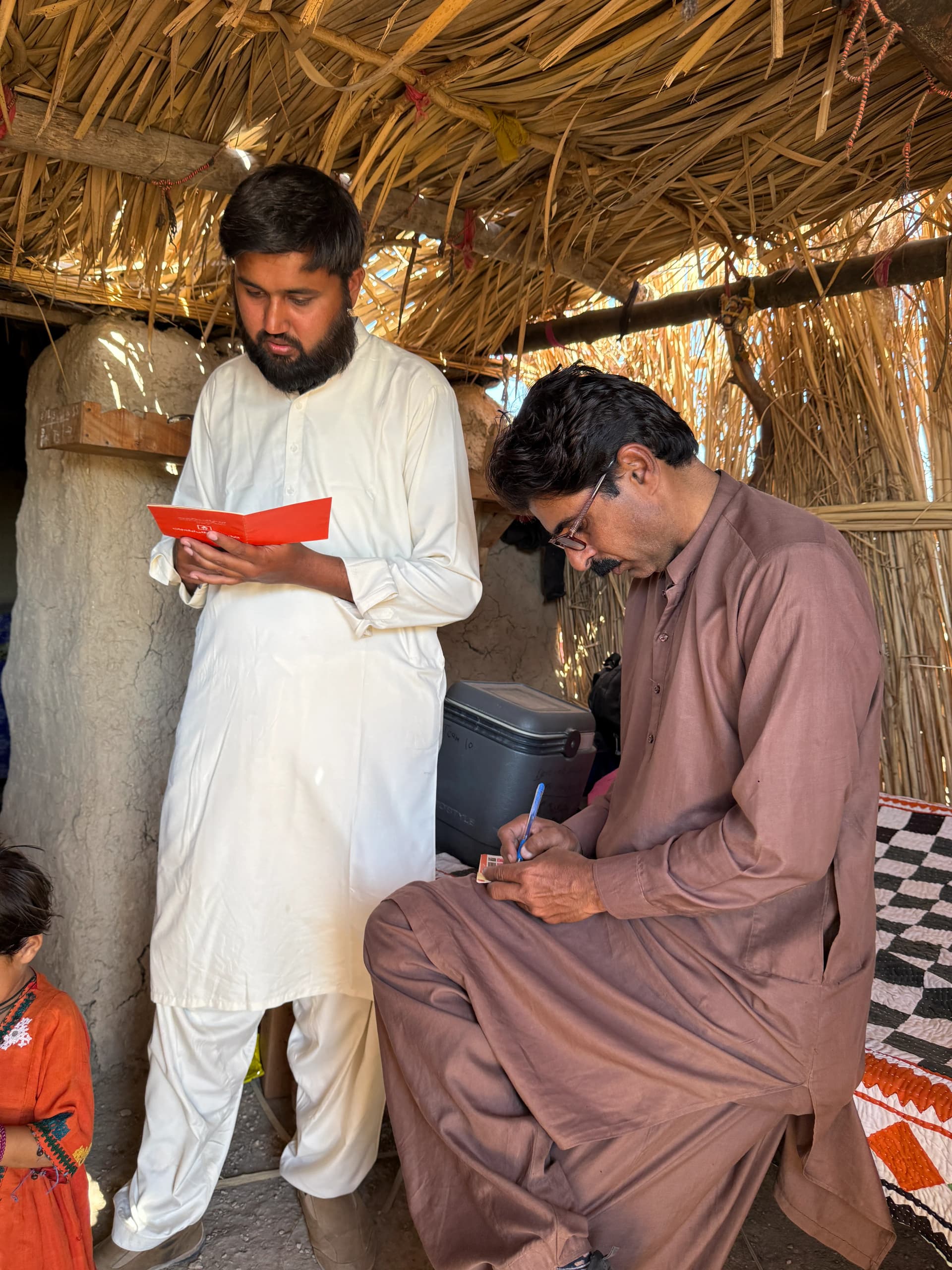
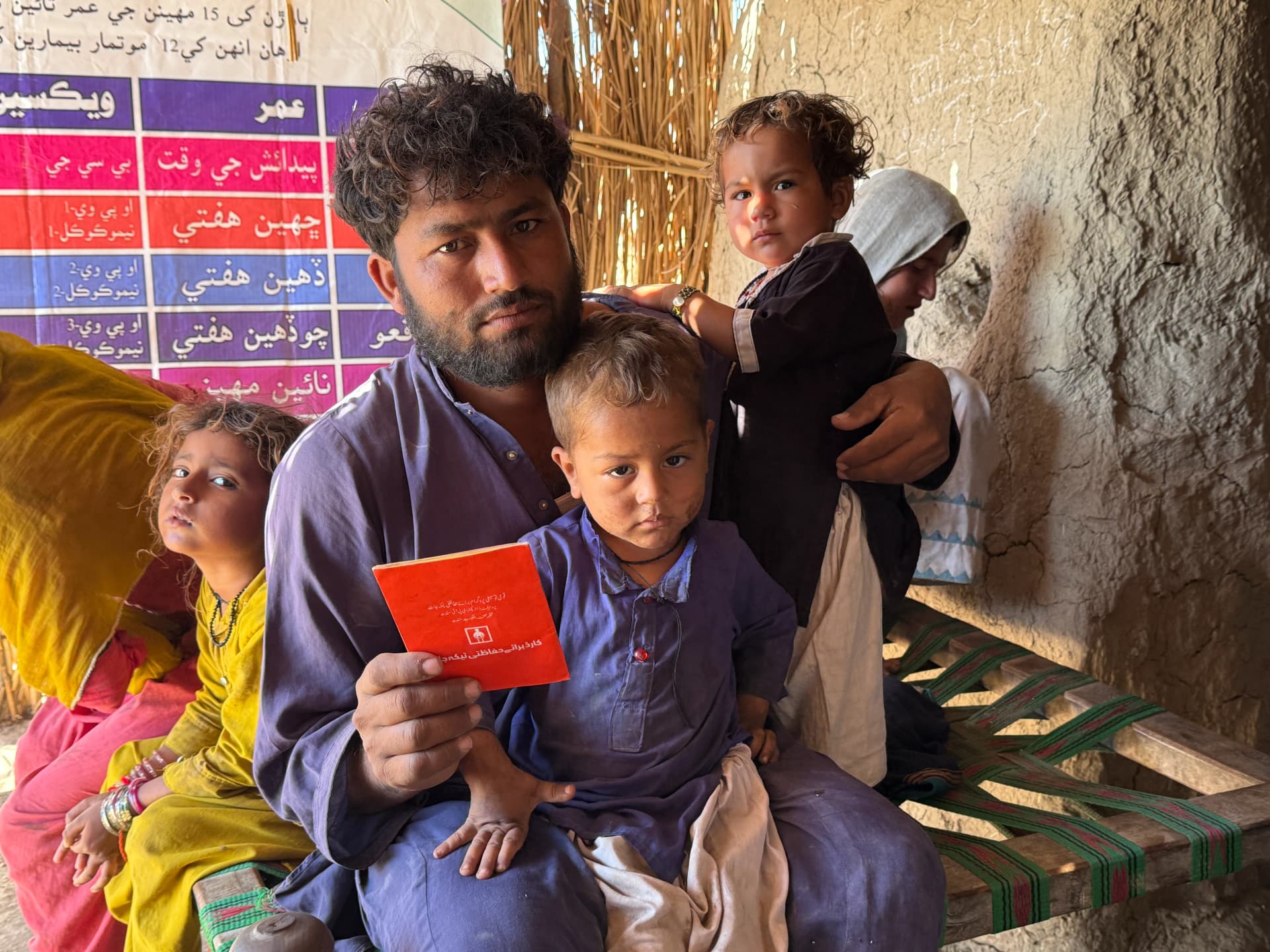
HYDERABAD, SINDH — Once a month, the tiny one-room thatched house of 27-year-old Salma and her husband, Shaukat, in the dusty village of Dost Mohammad Hajano becomes a makeshift immunisation centre. On a bright Friday morning in March during Ramadan, health worker Hamza Lakho arrived to find a small crowd already gathering outside.
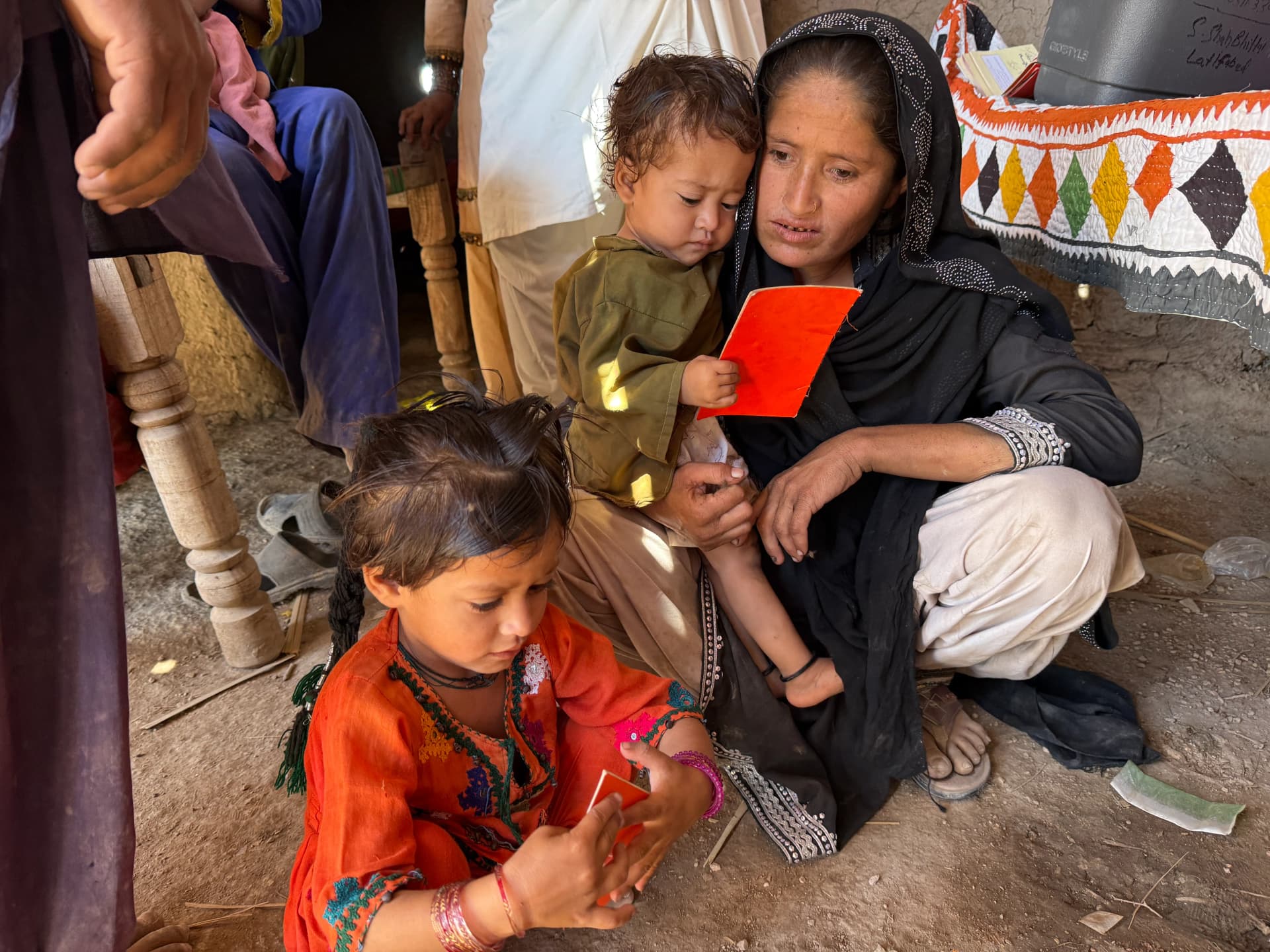
Parents clutching orange vaccination cards filed into the cramped space — some balancing crying infants in their arms, others soothing restless toddlers — all carrying the quiet hope that a simple vaccine could protect their children's future.
Nearly 300 of the village's 2,000 residents are children under five — the group most vulnerable to vaccine-preventable diseases. Pakistan is among the ten countries that account for more than half of the world's "zero-dose children" (ZDC). In 2023, there were an estimated 396,000 ZDC and 925,000 un- and under vaccinated children in the country.
Across Hyderabad district's 163 union councils (UC is the smallest administrative unit of a district), the Sindh government is engaging with VITAL Pakistan Trust (VPT) to support immunisation services in three. The non-profit works to expand maternal and child healthcare in underserved parts of Sindh.
Persistent obstacles and local resilience
Dost Mohammad Hajano in UC 17 — a cluster of 45 villages with a population of over 65,000 — is just a 20-minute drive from Hyderabad, the province's second-largest city. Despite its proximity to the city, Dost Mohammad Hajano remains cut off from basic services. There is no school, no dispensary, no gas supply, and no electricity. Water must be fetched from a hand pump nearly a kilometre away.
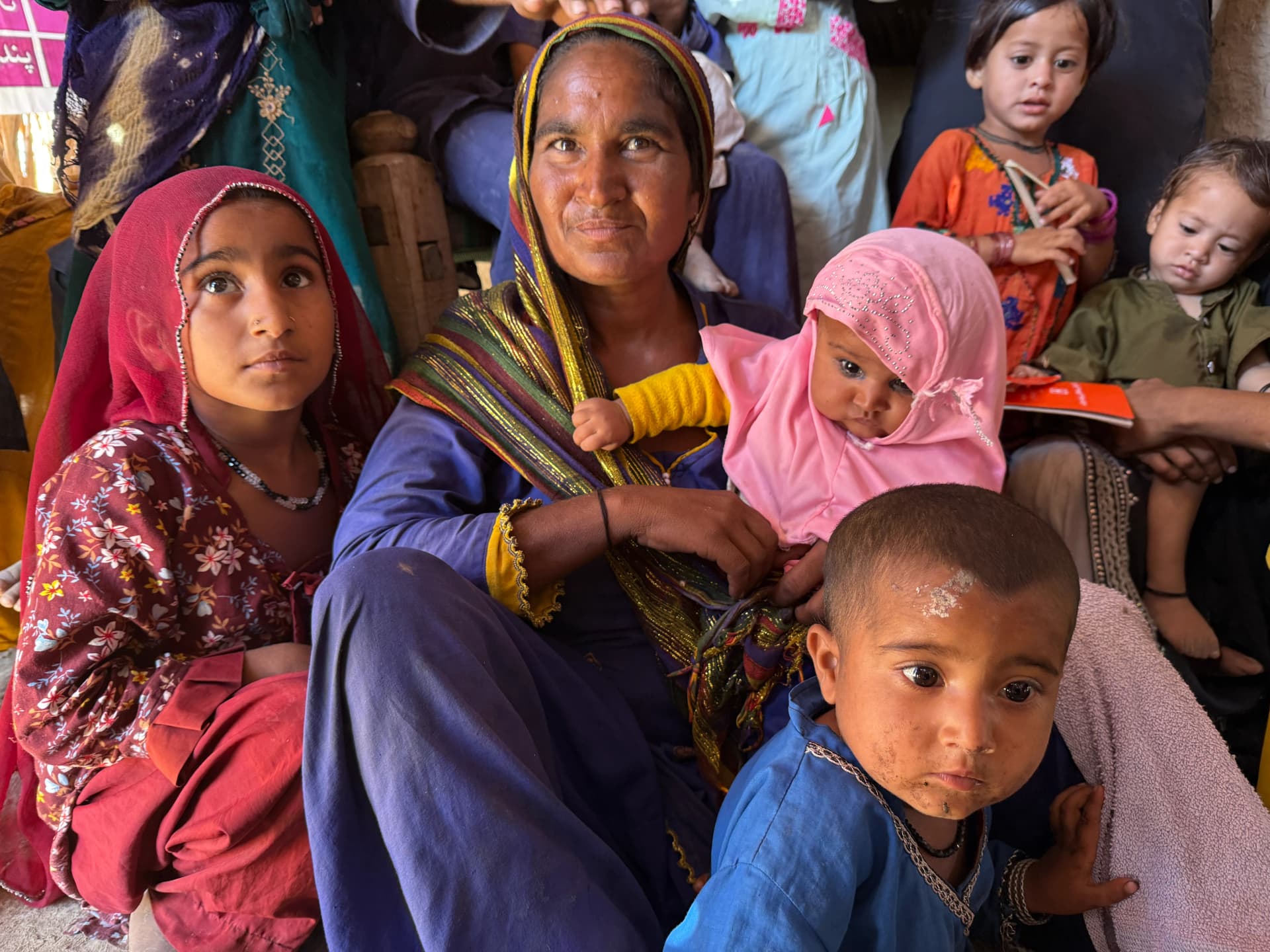
Livelihoods are fragile. Shaukat works as a daily wage labourer earning about PKR 800 (USD2.86) a day. Nearly PKR 300 ($1.07) of that goes toward meals, tea and transport while he is at work. "The biggest setback for us is when our children fall sick and we have to take them to a health centre," said Subhai Amir Baksh, mother of three daughters.
Turning personal loss into a community lifeline
Salma and Shaukat's commitment to hosting vaccination sessions is particularly striking given the tragedy they once faced: their three-year-old daughter died of measles despite being vaccinated. Their loss is far from unique. In 2025, Pakistan recorded more than 17,000 measles cases nationwide.
"I think vaccines are good for our children and will keep them healthy," said Shaukat. "What happened was God's will," said Salma. Even in grief, the couple continues opening their home each month so other families can protect their children.
Community outreach and sustained impact
Vaccinator Hamza Lakho has become a familiar trusted presence. Initially, only about 40 percent of children had completed routine vaccinations. VPT's Hyderabad field coordinator Aijaz Ali led awareness sessions and explained vaccination schedules. Within six months, inroads were made and the monthly sessions became well attended.
"It took time to build trust," Lakho added. "But now people understand we are here for the wellbeing of their children."
Scaling immunisation services across Sindh
Health authorities have prioritized expanding immunisation coverage. They launched evening and weekend vaccination shifts, improved micro-planning, and set up medical camps in high-refusal areas. In supported zones, ZDC coverage rose to 99 percent from 82 percent and geographic coverage is now 100 percent.
Sindh introduced the Zindagi Mehfooz electronic immunisation registry, with smartphone apps, dashboards, SMS reminders, and call centre support. This means all children's vaccination histories are now digitized and remain available even if physical cards are lost.
Vaccines are vital, but sanitation and awareness are essential too
From November 2025 to March 2026, not a single measles outbreak was reported in VPT-supported areas. Yet health workers caution that clean water, sanitation and hygiene awareness remain vital alongside vaccination. Next month, Salma and Shaukat's home will again fill with mothers and infants—quietly becoming their village's lifeline.
Field Report from Rural Sindh Shows Immunization Gains in Just 9 Months
By Akhtar Shaheen Rind
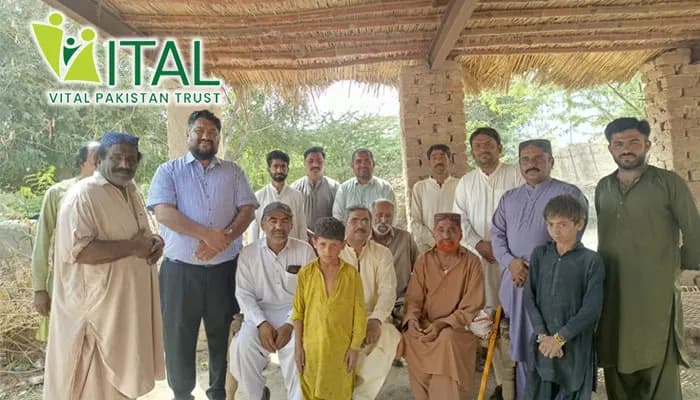
KARACHI/LARKANA/KAMBER SHAHDADKOT: A field visit conducted by Health Matters Media in remote union councils of Larkana and Kambar Shahdadkot districts has found notable improvements in routine immunization coverage, particularly among zero-dose and previously missed children, within a relatively short period of intervention, while also highlighting persistent structural challenges in accessing healthcare in hard-to-reach areas.
We travelled last week from Karachi to Larkana, and Kambar Shahdadkot, covering long distances to reach scattered rural settlements. Despite rainfall on both days, we, accompanied by field teams, accessed multiple villages on foot through muddy tracks to observe vaccination activities, outreach efforts, and community response firsthand.
The assessment focused on three union councils- Qubo Saeed Khan, Dost Ali, and Khabar- areas historically marked by low Expanded Programme on Immunization (EPI) coverage, a high burden of zero-dose children, and significant access barriers due to geography and poverty. In many cases, EPI centers are located several kilometers away from villages, making routine immunization difficult for families, particularly daily wage earners.
District health officials acknowledged that these challenges have persisted for years. Additional District Health Officer Dr Altaf Hussain stated that although the district was established in 2004, vaccinators were only appointed in 2019, leaving large populations unreached and contributing to repeated outbreaks of vaccine-preventable diseases, including measles. He noted that in the past, hundreds of zero-dose children were reported in these areas due to weak outreach and limited mobility.
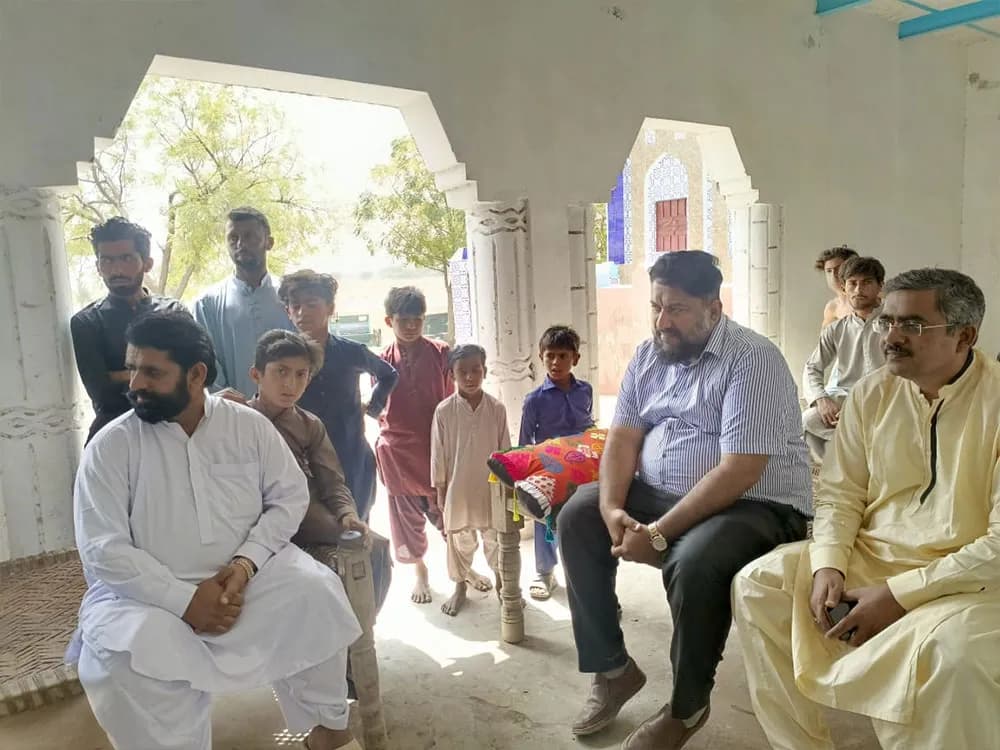
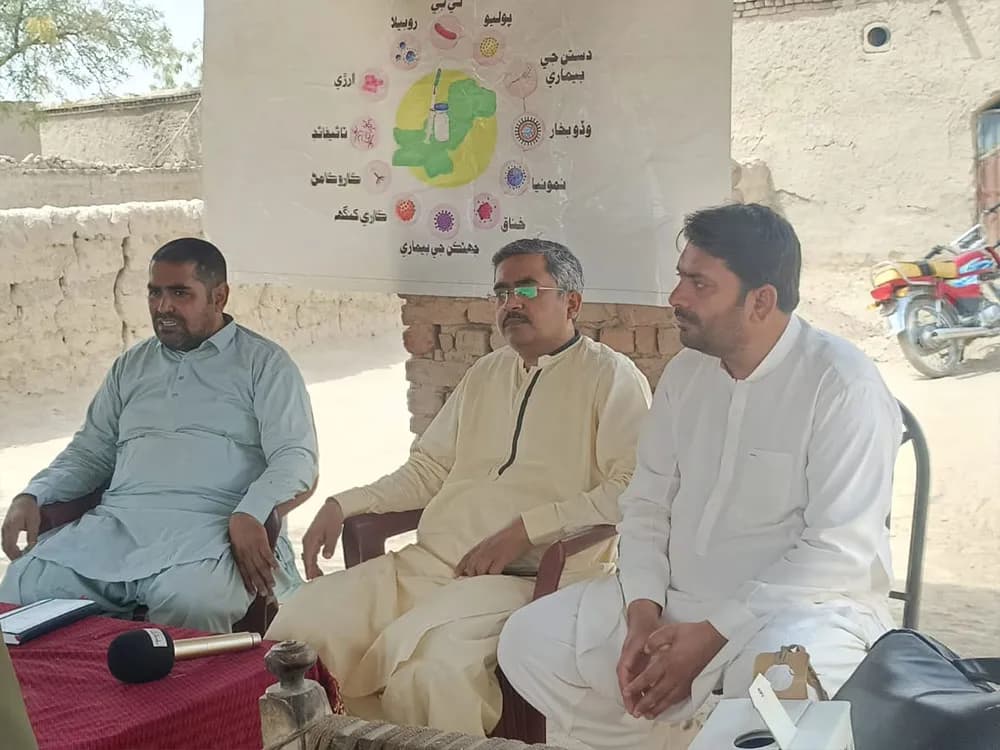
Field observations and official briefings indicate that the situation has improved in recent months. According to district teams, immunization coverage in some targeted union councils has increased significantly, with a visible reduction in zero-dose children. Officials highlighted that areas such as Qubo Saeed Khan, located near the Balochistan border, have shown marked progress compared to previous years.
According to Usman Ali Ahmed, Manager Business Strategy and Immunization Uptake at VITAL Pakistan Trust, the intervention began approximately nine months ago under a Civil Society Organization (CSO) funding mechanism supported by Gavi, the Vaccine Alliance, focusing specifically on high-risk and hard-to-reach populations. He said the strategy combined identification of zero-dose children through household visits, tracking of missed and defaulter cases, and regular outreach vaccination sessions in areas where routine services were previously inaccessible.
He further noted that one of the key operational shifts was moving from facility-based service delivery to active community outreach, supported by improved mobility and cold chain arrangements, which allowed teams to carry vaccines safely to distant settlements and conduct sessions closer to communities.
Health officials and field teams confirmed that earlier, vaccinators often faced difficulty reaching remote areas and concerns over vaccine wastage limited outreach activities. With the availability of transport and structured field planning, these constraints have been partially addressed, enabling more consistent service delivery
Community engagement has also contributed to improved uptake. Parents who were previously hesitant- particularly due to concerns about post-vaccination fever- are now more receptive following repeated counseling and facilitation by field teams. Outreach services have reduced the need for long-distance travel, which was a major barrier for working families.
Data reviewed during the visit reflects improving trends in the uptake of key vaccines, including BCG, pentavalent doses, and measles, although variations across months and locations indicate that progress remains uneven and requires sustained follow-up.
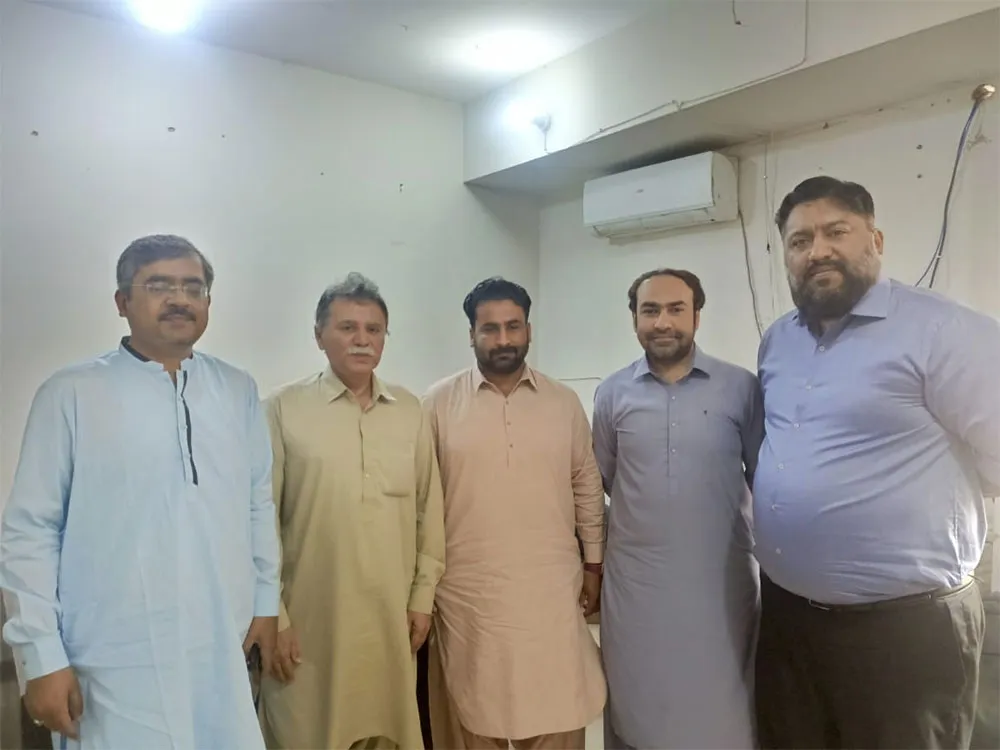
District officials, including Barkat Ali Siyal, Dr Altaf Hussain, and District Supervisor Vaccination Waseem Ahmed, also highlighted improved coordination between public health teams and supporting organizations, particularly during outbreak situations such as measles, where joint efforts helped manage the response
The field visit indicates that targeted outreach, improved mobility, and continuous engagement can contribute to reducing zero-dose children and strengthening routine immunization systems, even within a relatively short period. However, challenges related to geography, access, and socio-economic conditions persist, underscoring the need for sustained interventions to maintain and expand these gains.
How Persistent Community Engagement Led to Vaccination in Sindh
By Akhtar Shaheen Rind
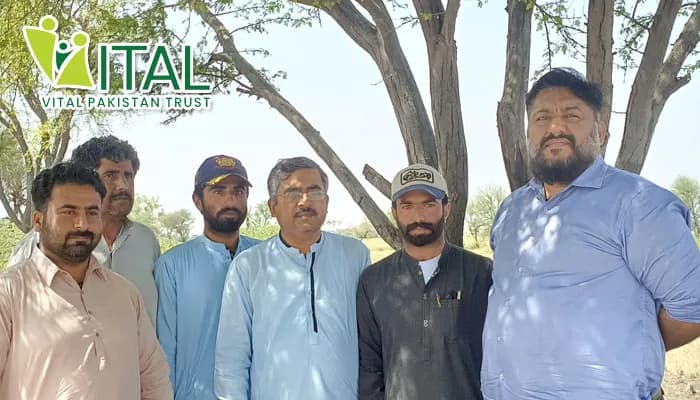
KARACHI: A compelling case study from rural Sindh highlights how sustained community engagement and trust-building by frontline health workers can turn long-standing vaccine refusal into acceptance, offering renewed hope for immunization efforts in hard-to-reach populations.
During a recent field visit, the Health Matters Media team documented progress in areas supported by VITAL Pakistan Trust in district Kambar Shahdadkot, where immunization activities are being strengthened with support from GAVI, the Vaccine Alliance as part of broader efforts to improve vaccine coverage in underserved communities.
In the first visit to village Usman Joyo, the team observed ongoing immunization efforts led by vaccinator Asim Ali, with support from Social Mobilizer Maria Sapro. Their consistent engagement with local families reflected a structured and trust-based approach to addressing vaccine hesitancy through repeated interaction and community dialogue.
A more striking transformation was recorded during the second visit to village Banho Khan Chandio, where a family that had consistently refused routine immunization eventually agreed to vaccinate their children. The case centers around Haji Mukhtar Chandio, whose children, including four-year-old Safia and Hussain, had remained unvaccinated for several years due to concerns and mistrust.
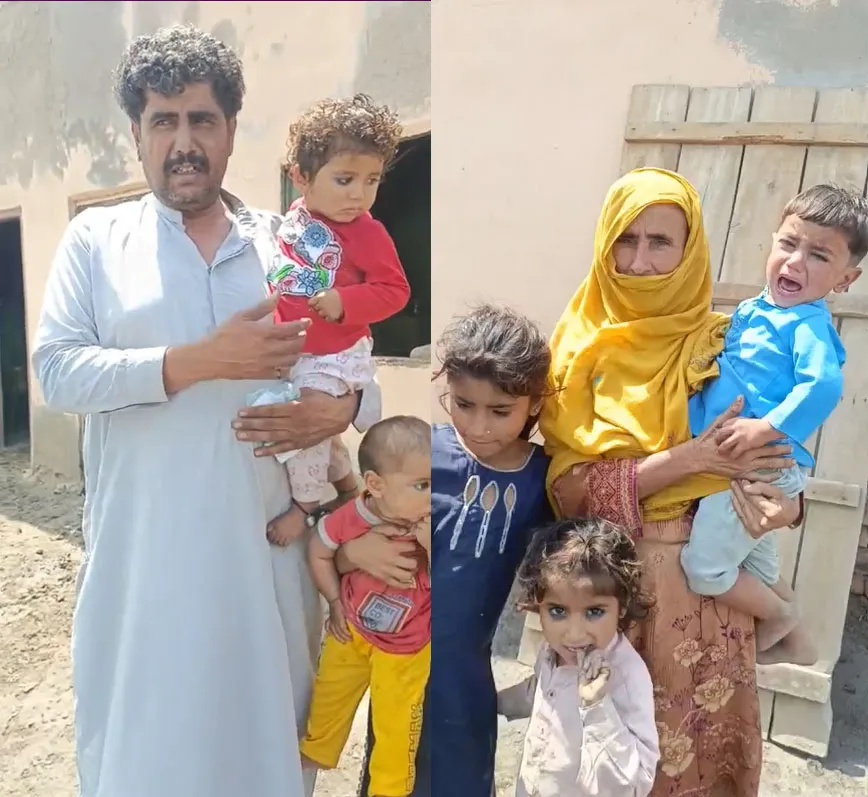
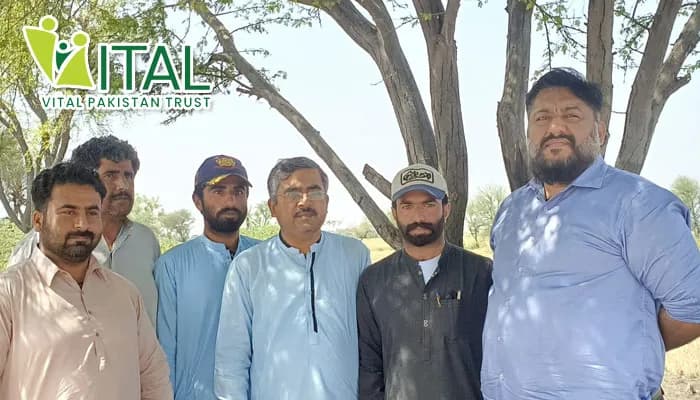
Through persistent efforts by vaccinator Budhal Shah, along with Social Mobilizer Abdul Mukeem Chacho, the family was gradually engaged through repeated visits, counseling, and culturally sensitive communication. These sustained efforts led to a breakthrough, with the parents consenting to initiate vaccination for their children after a delay of nearly four years.
Health officials and field workers emphasized that such transformations are not immediate but require consistent dialogue, patience, and community-based strategies. A member of the field team noted that building trust remains central to overcoming resistance and improving health-seeking behavior in rural communities.
The Health Matters Media team observed that interventions by VITAL Pakistan Trust, supported under GAVI-backed immunization initiatives, have not only improved vaccination uptake but also strengthened community confidence in essential health services over the past several months.
These efforts form part of wider immunization strengthening initiatives supported by GAVI, the Vaccine Alliance in collaboration with national and provincial health authorities, aimed at reaching zero-dose and under-immunized children across Pakistan.
As Pakistan continues its efforts to eliminate vaccine-preventable diseases, such field-level success stories serve as powerful reminders that meaningful change